
Sheridan, USA October 04, 2025 Innovation Times Senior Correspondent
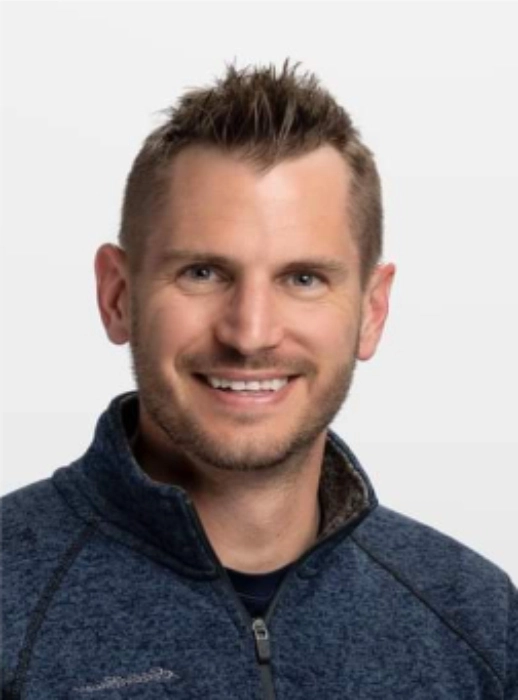
As World Mental Health Day approaches on October 10, global attention is shifting toward an often-overlooked reality: men’s mental health. This year’s theme, “Breaking the Silence: Men’s Mental Health and Access to Care in Times of Crisis,” could not be more urgent. At the heart of this conversation is Chad M. Smith, whose chapter The Unseen Struggles of Men Living Behind Strong Faces in the book Men Don’t Cry captures with striking honesty the silent battles endured by countless men worldwide.
“Stop pretending,” Smith writes. “Your pain, when shared, becomes the fuel for real power.” It is both a plea and a promise. For decades, men have been conditioned to measure strength by how much suffering they can silently endure. The cultural narrative has been clear: real men do not cry, real men do not bend, and real men certainly do not admit vulnerability. But Smith’s words pierce through this myth, reminding us that silence is not noble; it is lethal.
The chapter begins with Smith’s personal reflections on the lessons he absorbed growing up. Like many men, he was raised to equate masculinity with endurance, to bury sadness, fear, or doubt beneath layers of toughness. Society praised him for resilience but dismissed his humanity. That paradox of being applauded for appearing unbreakable while crumbling inside is one that millions of men will recognize.
Through vivid storytelling, Smith paints a picture of men who wake up daily to put on the mask. They show up at jobs they dislike, maintain careers that drain them, and return home to quiet despair. Behind their strong faces, they wonder if life has more to offer. They question whether their struggles matter, but they never say it aloud. The silence is deafening, and for too many, it is fatal.
This chapter does not just diagnose the problem; it speaks to the consequences. Men who live behind strong faces often withdraw from care, avoid counseling, and shy away from honest conversations. Their families see the exterior but rarely know the inner storm. The result is brokenness that extends beyond the individual, rippling into marriages, parenting, friendships, and entire communities.
Smith’s power lies in his authenticity. He does not write as an observer from a distance. He writes as a man who has carried these burdens and who has seen the toll that silence takes. His voice is direct, unflinching, but compassionate. He insists that life is not meant to be easy, but neither is it meant to be lived in quiet agony.
One of the most compelling insights in the chapter is Smith’s recognition of the cost of constant grinding. He explains that discipline and hard work are essential values, but when men reduce their entire existence to survival, they lose the capacity to truly live. The hustle culture, he argues, has stolen joy from countless men. They push forward day after day, but inside, they are hollow.
In The Unseen Struggles of Men Living Behind Strong Faces, Smith challenges readers to confront that hollowness. He declares that silence is a killer, and pretending is poison. Yet he also offers a way out: sharing pain, seeking help, and reclaiming the right to feel. Vulnerability, he insists, is not weakness but the gateway to real power.
This message could not come at a more critical time. Research shows that men remain significantly less likely than women to seek professional mental health support, even as suicide rates among men remain alarmingly high. Cultural scripts that glorify toughness and minimize emotion are partly to blame. Smith’s chapter dismantles those scripts and calls men to a higher standard of honesty and healing.
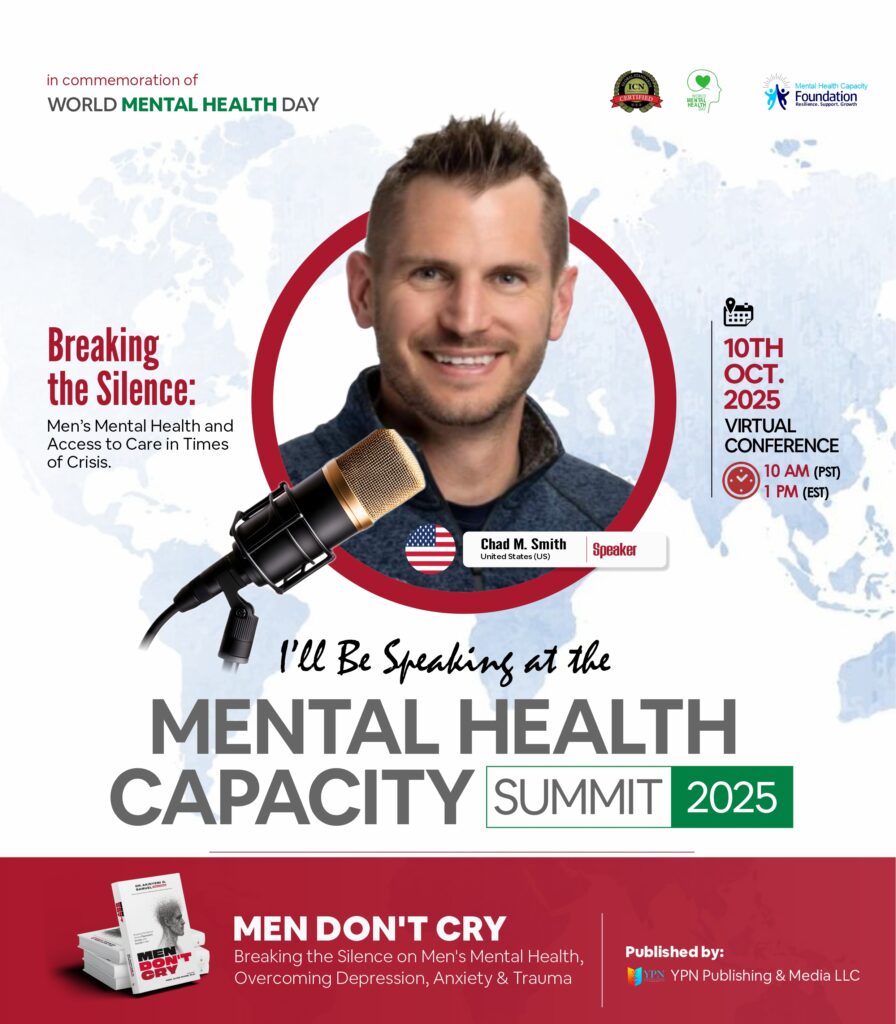
As part of the October 10 summit, Smith’s contribution will spark dialogue not only among professionals but among men in everyday life. His chapter resonates across generations, from young men just entering adulthood to fathers and grandfathers who have carried decades of unspoken pain.
For readers, this chapter is more than a reflection; it is a challenge. It confronts men with the uncomfortable question: What masks are you wearing, and what is it costing you? By naming the unseen struggles, Smith empowers men to take off the mask and reclaim their lives.
For women, whether wives, daughters, sisters, or mothers, the chapter is equally enlightening. It opens a window into battles that often remain hidden, fostering compassion and deeper understanding for the men they love. By reading these words, families gain tools to encourage healthier conversations at home.
The impact extends even further. Leaders in workplaces, schools, sports teams, and faith communities will find in Smith’s chapter a guide to building cultures where men can speak without shame. When the strong face no longer has to be the only face, men can flourish as whole people, not broken shells.
The global message of Men Don’t Cry is amplified through Smith’s voice. His chapter strengthens the growing movement to redefine masculinity, not as invulnerability but as the courage to embrace truth. This redefinition has the potential to change not only individual lives but the very fabric of society.
The writing is raw, but it is also hopeful. Smith believes in men’s ability to change, to speak, to seek help, and to heal. He knows the cycle of silence can be broken, and his chapter is both a warning and a roadmap.
World Mental Health Day reminds us that crises demand access to care. But access to care begins with the courage to break silence. Smith’s chapter is the spark that can ignite that courage. It assures men that they are not alone, that their struggles are real, and that their lives are worth fighting for.
For anyone considering whether Men Don’t Cry belongs on their reading list, the answer is clear. This is not a book of abstract theory or shallow clichés. It is a collection of voices like Smith’s that speak directly to the heart of the crisis. The Unseen Struggles of Men Living Behind Strong Faces is essential reading for every man and for every family that loves one.
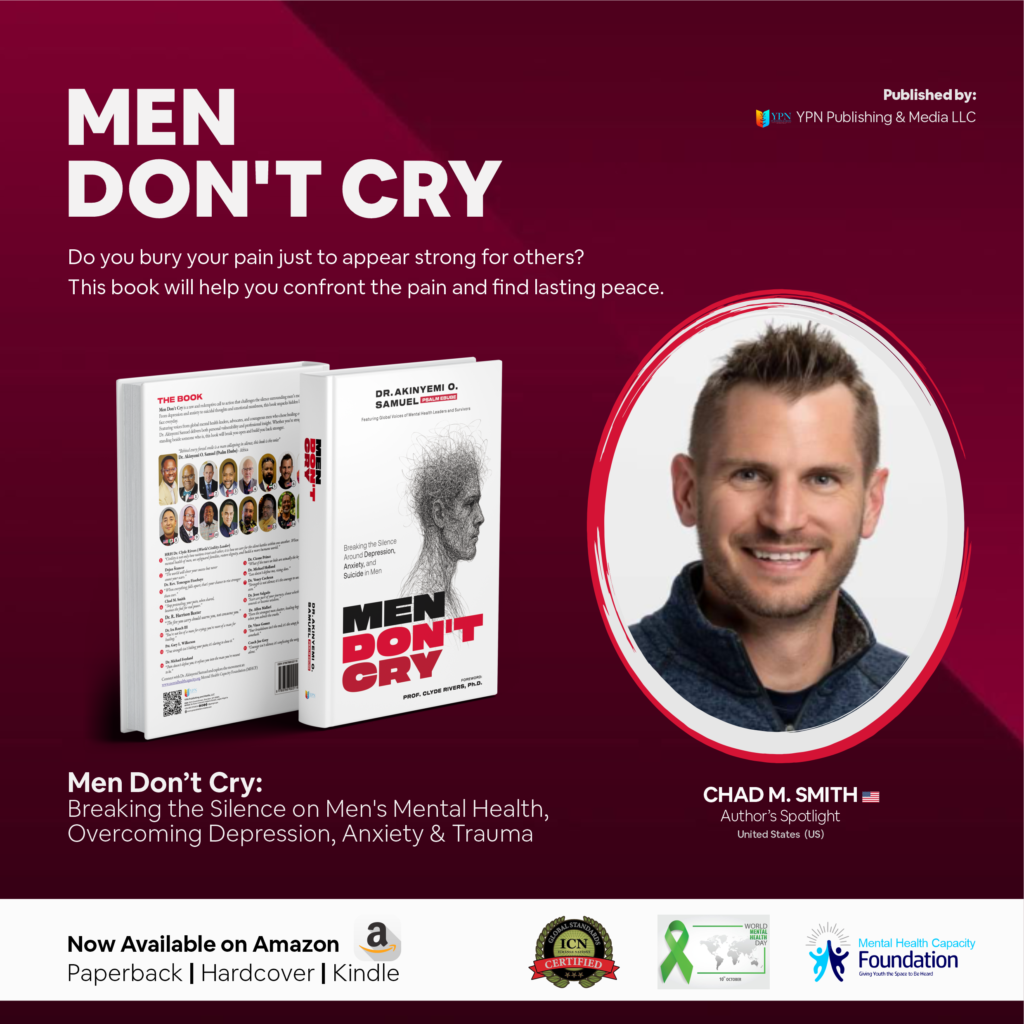
The book is widely available, ensuring accessibility for readers across the globe:
On October 10, as Chad M. Smith takes the stage, his words will echo a truth too long ignored: silence is not strength. Behind strong faces are men who deserve healing, care, and dignity. This chapter reminds us that the time to break the silence is now.
The unseen struggles must be seen. The strong faces must be unmasked. And the men behind them must be heard, valued, and healed.
ABOUT THE AUTHOR
Chad M. Smith is an International Sobriety Coach and a leading authority on helping individuals overcome addiction, reclaim their lives, and reinvent themselves with purpose and resilience. As the CEO of Battle Warrior Brands, Chad combines personal experience with proven strategies to guide others toward lasting transformation. A proud member of Celebration Recovery in Oshkosh, Wisconsin, he has been clean and sober since 2019, drawing from his own journey through alcoholism and other addictions to inspire and mentor those seeking change. Chad lives in Oshkosh, Wisconsin, where he continues to empower others to live their best, most authentic lives.