
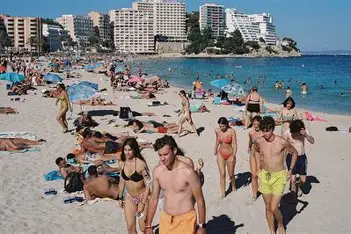
Madrid, October 6, 2025 — British holidaymakers are increasingly flocking to northern Spain after one of the hottest Mediterranean summers on record, seeking cooler climates, quieter beaches, and more authentic cultural experiences away from the crowded southern resorts.
Tourism analysts report a sharp rise in UK visitors choosing destinations such as Galicia, Asturias, Cantabria, and the Basque Country, marking a major shift from traditional hotspots like Costa del Sol, Mallorca, and Ibiza. According to Spain’s national tourism board, arrivals from the UK to the northern regions increased by 28 percent in the summer of 2025, the highest surge in over a decade.
The change comes after record-breaking heatwaves scorched much of southern Europe this summer, with temperatures in some Mediterranean resorts exceeding 45 degrees Celsius. Many travelers say the heat made popular destinations like Marbella, Alicante, and Santorini unbearable during peak months, prompting them to look north for relief.
In contrast, Spain’s Atlantic coast offered milder temperatures, lush landscapes, and a slower pace of tourism. “Northern Spain feels like discovering a different country,” said Rachel Thomas, a British tourist from Manchester visiting San Sebastián. “The weather is perfect, the food is incredible, and it’s not overrun with tourists.”
Hotels, guesthouses, and rural villas across Galicia and Asturias reported near full occupancy throughout August and September, a sign that the region’s reputation as Spain’s “green coast” is catching on internationally. Local tourism boards have stepped up efforts to promote the area’s cultural heritage, hiking routes, and coastal gastronomy, positioning it as a sustainable alternative to the overdeveloped Mediterranean.
“We have seen a clear increase in British travelers looking for nature, tranquility, and good food,” said Marta García, spokesperson for Turismo de Galicia. “This summer has proven that climate and comfort are now central to travel decisions.”
The trend also aligns with growing interest in eco-tourism and slow travel, particularly among younger British travelers. Data from VisitBritain shows that nearly 40 percent of UK tourists planning trips to Spain now prioritize destinations that offer both cultural authenticity and environmental sustainability.
Industry experts say that northern Spain’s charm lies in its blend of untouched beaches, ancient architecture, and Michelin-starred cuisine. The regions of Cantabria and the Basque Country have become culinary powerhouses, drawing food lovers to towns like Santander and Bilbao, where local seafood and pintxos rival the best Mediterranean fare.
Airlines and tour operators are responding to the growing demand. EasyJet, Jet2, and Ryanair have expanded direct routes from London, Manchester, and Edinburgh to cities including A Coruña, Oviedo, and Bilbao. New routes are also being considered for summer 2026, reflecting confidence that demand for northern Spain will continue to grow.
Local communities, while welcoming the economic boost, are also grappling with how to manage the sudden influx. Some small coastal towns, such as Comillas and Ribadesella, have voiced concerns about preserving their traditional character and preventing over-tourism. Regional governments are now discussing measures to limit short-term rentals and encourage off-season travel.
“The challenge is to grow sustainably,” said Álvaro Pérez, a tourism policy adviser in Asturias. “We want visitors to enjoy our landscapes and culture without losing what makes them special.”
Economists say the shift northward could help balance Spain’s tourism industry, which has long been concentrated in the south and islands. The redistribution of visitors could reduce seasonal strain on coastal infrastructure while spreading income to smaller towns and rural communities.
For many British travelers, the appeal is simple: a chance to rediscover Spain beyond the beach bars and crowded promenades. “It’s like Spain 30 years ago,” said Thomas, reflecting on her stay in Galicia’s Rías Baixas region. “It feels more authentic, and you can actually relax.”
As climate change continues to reshape global travel patterns, experts believe the surge in British tourism to northern Spain is more than a passing trend. It could signal a long-term reorientation of Europe’s summer holiday map, with travelers increasingly seeking cooler, greener, and less commercialized destinations.