
Washington, October 16, 2025
President Donald Trump held a phone conversation with Russian President Vladimir Putin just one day before welcoming Ukrainian President Volodymyr Zelenskyy to the White House, a move that has drawn global attention and renewed focus on U.S. foreign policy toward Eastern Europe.
According to senior U.S. and Russian officials, the discussion between Trump and Putin centered on regional stability, global energy markets, and the ongoing conflict in Eastern Europe. The White House described the exchange as “constructive,” noting that both leaders emphasized the importance of continued dialogue on pressing international issues.
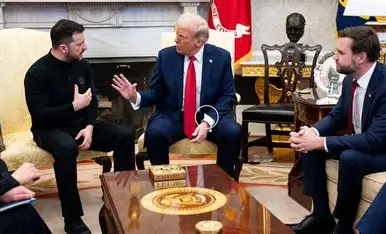
The timing of the conversation has sparked widespread interest among diplomats and analysts, given its proximity to Trump’s scheduled meeting with Zelenskyy. The White House meeting, expected to address military aid, economic support, and post-conflict recovery in Ukraine, comes at a crucial moment as Washington reassesses its foreign commitments.
Russian state media reported that the leaders discussed mutual concerns including counterterrorism cooperation, nuclear security, and global trade. Kremlin officials characterized the tone of the call as professional and forward-looking, underscoring Moscow’s interest in maintaining communication channels with Washington despite ongoing tensions.
Senior aides within the U.S. administration said Trump’s outreach to Putin was intended to “set a diplomatic foundation” before his conversation with Zelenskyy. The administration has been reviewing all current aid programs to ensure accountability and measurable outcomes, signaling a shift toward results-based foreign assistance.
International observers say Trump’s back-to-back communications with the Russian and Ukrainian presidents could redefine America’s strategic role in the region. Experts note that a direct line of communication with both leaders positions Washington to play a balancing role in future negotiations.
Global markets responded with cautious optimism, as investors watched for potential impacts on energy supplies and European trade stability. Analysts suggest that any U.S. policy shift regarding Ukraine and Russia could have significant economic implications across global markets.
While the White House has not released an official transcript of the call, officials confirmed it lasted approximately 40 minutes and included discussions on upcoming international summits and arms control frameworks. The administration is expected to provide further details following the Zelenskyy meeting.
Diplomatic experts view the conversation as a calculated step in reestablishing America’s influence on the world stage. As tensions remain high in Eastern Europe, the administration’s approach of open dialogue and pragmatic negotiation reflects a renewed focus on global leadership through engagement rather than confrontation.